

About us
Fotografía García Cortés, a studio with more than three generations of tradition and excellence since the 40's. Located in Ceuta, we offer a wide range of photographic services, from passport photos to ornaments, always maintaining the quality and professionalism that characterises us.
Fotografía García Cortés: A Legacy of Three Generations
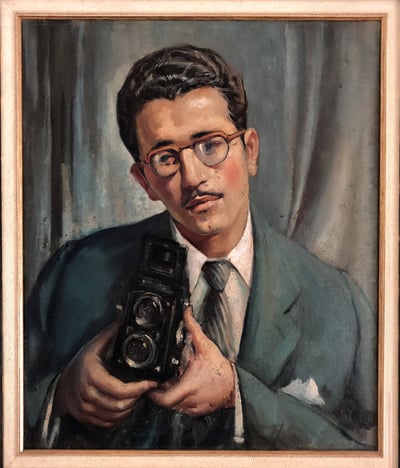
García Cortés Photography is an emblem of tradition and evolution through three generations, whose beginnings date back to the mid-1940s when Francisco García Cortés opened his photographic studio in Tetouan, during the period of the Spanish Protectorate in northern Morocco. Francisco's skill and artistry were soon recognised, allowing him to expand his business with branches in Chefchaouen and Larache. Francisco García Cortés' popularity soared when he became the official photographer of the High Commissariat, a role that allowed him to document significant events and personalities of the time, cementing his reputation as a photographer of renown. However, changing times would bring new challenges and opportunities. With Morocco's independence, Francisco decided to move his studio to several Spanish cities in the early 1960s, adapting to the new landscapes and narratives he encountered.
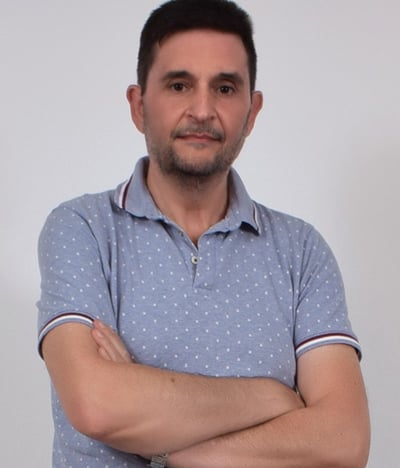
In the 21st century, the business passed into the hands of Tomás García Díaz, grandson of the founder, who has taken on the responsibility of perpetuating the family legacy. Thus, Fotografía García Cortés stands as a testimony to a family saga that has been able to adapt to the changes of time, always maintaining the essence of its founder. Each generation has contributed its own stamp, but always respecting the legacy and original vision of Francisco García Cortés. This lineage of photographers has not only captured historical moments, but has also been an integral part of the cultural history of Morocco and Spain
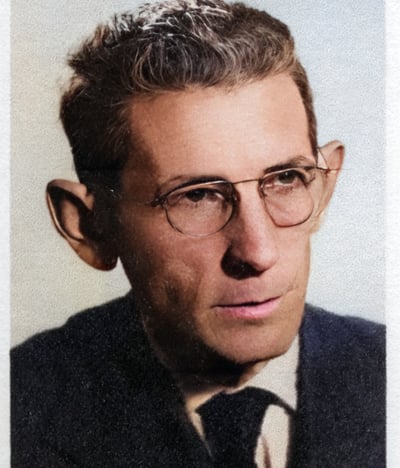
The generational handover came with Alfredo García Fernández, Francisco's son, who took over the business in Ceuta and managed it until his retirement in 1997. During his management, Alfredo not only maintained the prestige of the studio, but also enriched it with numerous exhibitions dedicated to the city of Ceuta. His contribution to the photographic world extended beyond his studio, as he worked as a correspondent for the EFE news agency and for RTVE, leaving an indelible mark on journalism and visual culture in the region.
This is our story:
García Cortés Photography is an emblem of tradition and evolution through three generations, whose beginnings date back to the mid-1940s when Francisco García Cortés opened his photographic studio in Tetouan, during the period of the Spanish Protectorate in northern Morocco. Francisco's skill and artistry were soon recognised, allowing him to expand his business with branches in Chefchaouen and Larache. Francisco García Cortés' popularity soared when he became the official photographer of the High Commissariat, a role that allowed him to document significant events and personalities of the time, cementing his reputation as a photographer of renown. However, changing times would bring new challenges and opportunities. With Morocco's independence, Francisco decided to move his studio to several Spanish cities in the early 1960s, adapting to the new landscapes and narratives he encountered.
In the 21st century, the business passed into the hands of Tomás García Díaz, grandson of the founder, who has taken on the responsibility of perpetuating the family legacy. Thus, Fotografía García Cortés stands as a testimony to a family saga that has been able to adapt to the changes of time, always maintaining the essence of its founder. Each generation has contributed its own stamp, but always respecting the legacy and original vision of Francisco García Cortés. This lineage of photographers has not only captured historical moments, but has also been an integral part of the cultural history of Morocco and Spain.
The generational handover came with Alfredo García Fernández, Francisco's son, who took the reins of the business in Ceuta and managed it until his retirement in 1997. During his management, Alfredo not only maintained the prestige of the studio, but also enriched it with numerous exhibitions dedicated to the city of Ceuta. His contribution to the photographic world extended beyond his studio, as he worked as a correspondent for the EFE news agency and for RTVE, leaving an indelible mark on journalism and visual culture in the region.